
LOCAL ROUTE JOURNAL · Yuasa · Hirogawa, Wakayama
From Yuasa’s Lanes to Hirogawa’s Embankment | A Day in Wakayama’s Living History
Walk from Yuasa Station through a historic soy-sauce district, then continue to Inamura no Hi no Yakata and Hiromura Embankment in Hirogawa. This car-free day route covers the order, opening details, fees, and the pleasure of exploring on foot.
One day linking lanes and embankments
SLOW TRAVEL NOTES
After learning about soy sauce, look at the town
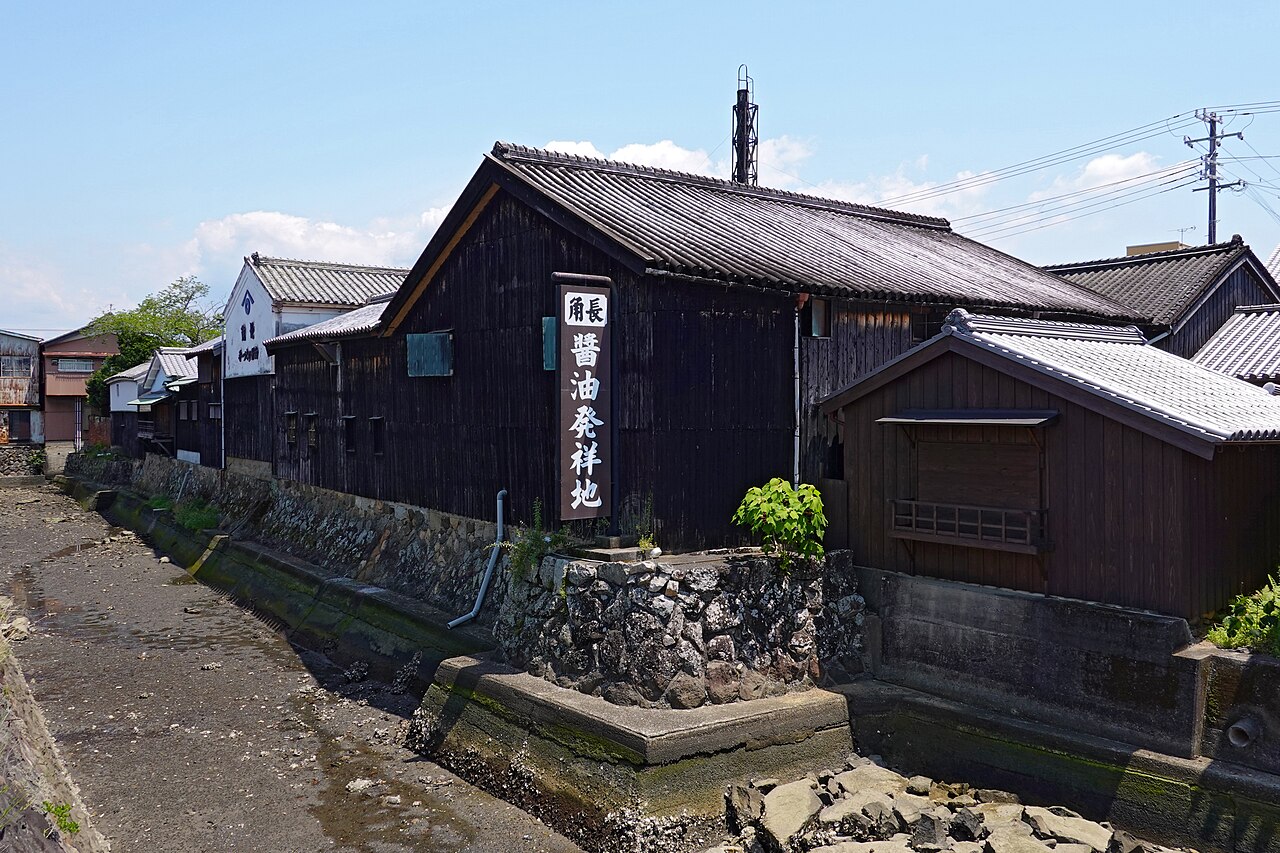
Yuasa offers more than a chance to buy soy sauce. White-walled storehouses, fine latticework, and houses lining the streets give the town its character. Once you notice how a drop of soy sauce—often just a supporting player at the table—also shaped the town itself, the lanes look different. If you want to explore how soy sauce is made, start with our separate guide to soy sauce and Kinzanji miso; today, enjoy the actual distances and textures of the town.
In the afternoon, head to Hirogawa. You may know the story of lighting rice sheaves to help people evacuate, but fewer people may think about the work that followed: building an embankment and helping rebuild village life. Learn the background at the museum, then walk to the embankment and the landscape becomes one connected story.
The day at a glance
The route, step by step
Yuasa Station
From Yuasa Station to the historic streets
The town’s visitor guide estimates a walk of about 15 minutes from the station to the preservation district. Before hurrying into the narrow lanes, get your bearings for the return walk to the station. Bring a drink and give the streets a relaxed morning. This is a day for traveling light rather than pulling a large suitcase along.
View on mapYuasa Preservation District
Walk Yuasa’s preservation district, taking in the latticework and storehouses
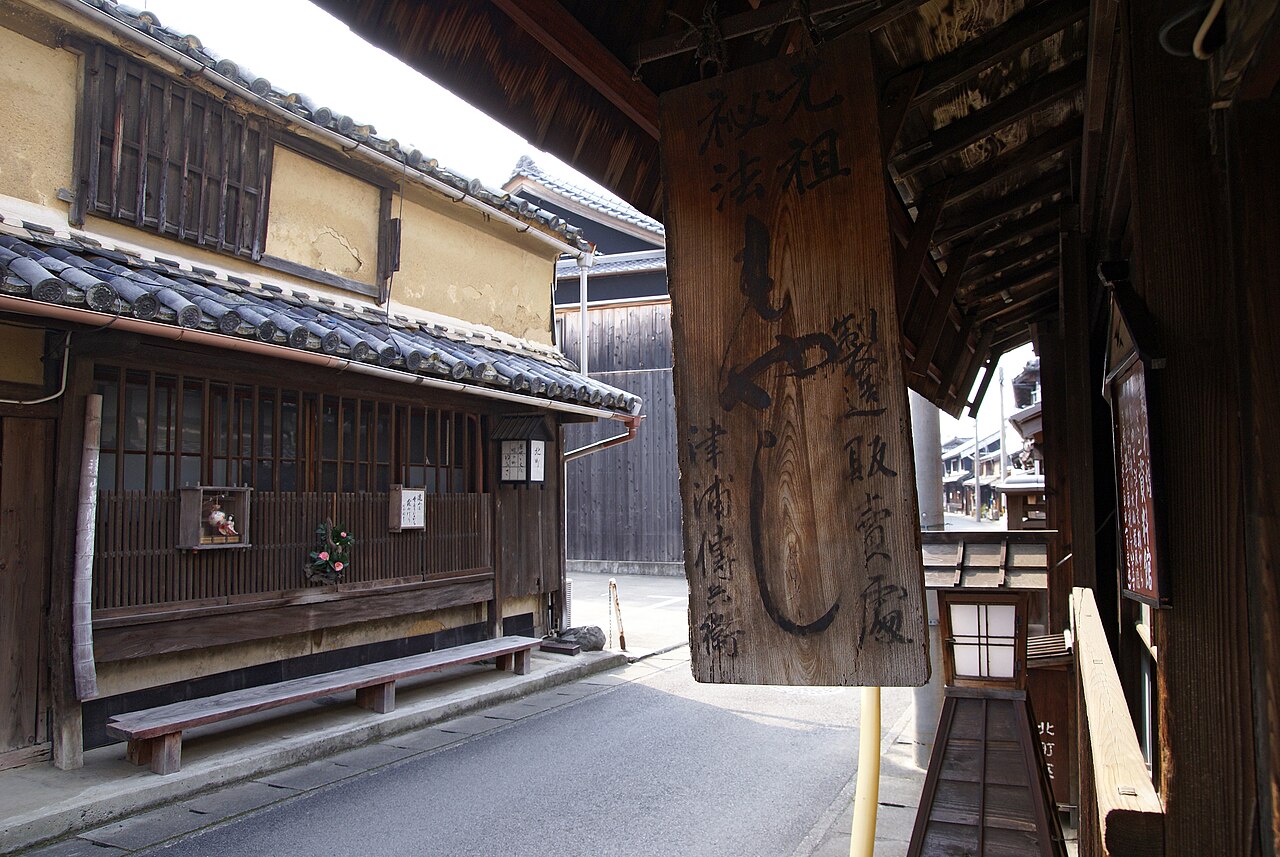
Allow about 60–90 minutes for the walk. The district, about 400 meters east to west and 280 meters north to south, preserves streets lined with homes that evoke the history of brewing and fermentation. Instead of following every building only through its signboard, notice how the lattices and walls connect along the street. This is also a living neighborhood: stay out of entrances and private property, and take photos without obstructing the way.
View on mapCentral Yuasa
Pause for lunch, then continue to Hirogawa
Choose a place open that day around Yuasa for lunch. Don’t make the route depend on a particular restaurant or an unverified menu; take a proper break before the afternoon. Check your location and destination on a map, then leave enough time for the walk to Hirogawa. If heat or rain makes the outing tiring, it is fine to end the day with the historic district.
View on mapInamura no Hi no Yakata
Continue the story at Inamura no Hi no Yakata
Set aside about 60–90 minutes for the museum. The exhibits introduce both the work of Goryo Hamaguchi and tsunami preparedness. The museum is open from 10 to 17, with last admission at 16. General admission is ¥500; entry to the Goryo Hamaguchi Memorial Museum alone is listed as free.
The museum is generally closed on Mondays; when Monday is a holiday, it closes on the following weekday. It also closes over the New Year period. If the museum is a main reason for your visit, check its official opening calendar before setting out.
View on mapHiromura Embankment
Walk to Hiromura Embankment and see the work that continued after the evacuation
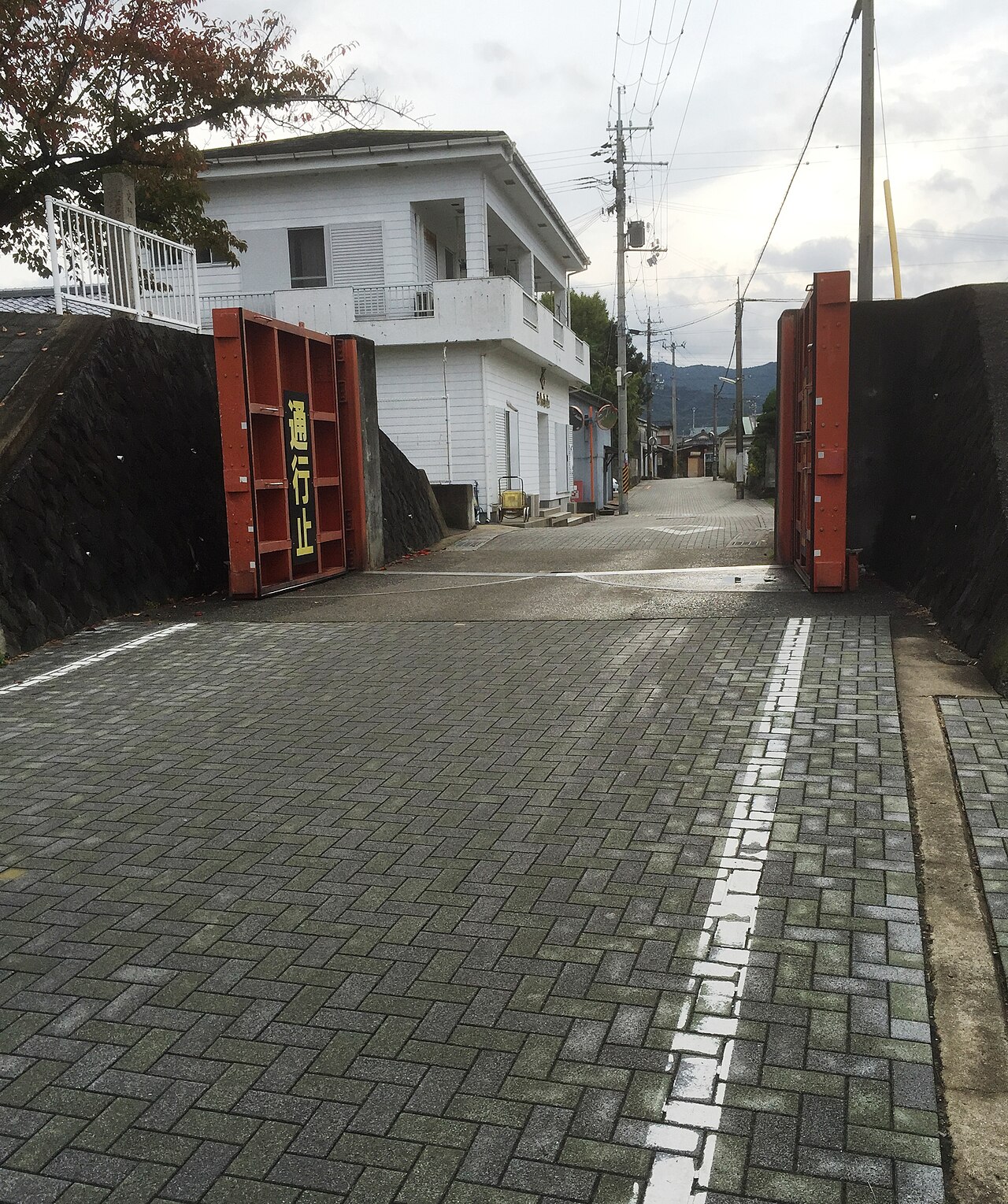
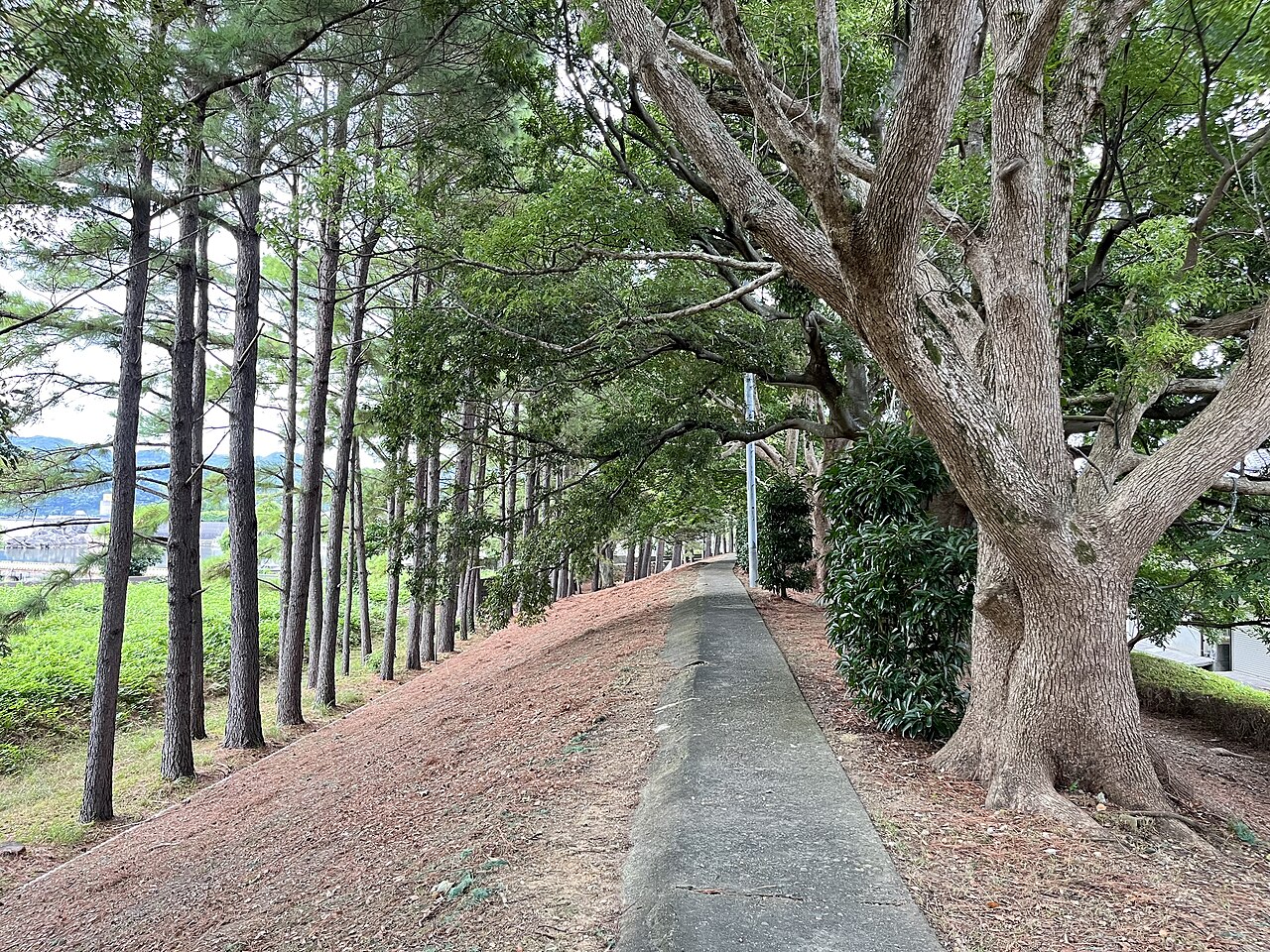
After leaving the museum, follow the official walking map to Hiromura Embankment. Hirogawa Town says construction began in 1855 and finished in 1858. The project was more than building a seawall: it also employed villagers affected by the disaster and sought to keep people from leaving their community. Take in both the stone-and-earth structure and the everyday life that continues around it.
Stay within areas open to visitors. If you feel strong shaking or receive a tsunami warning while walking by the sea, stop sightseeing and follow local evacuation signs and municipal instructions. The presence of this historic embankment does not mean it is a safe refuge from a tsunami today.
View on mapYuasa Station
Return to Yuasa Station
Work backward from your return train and leave enough time to get back to the station. Rather than adding more detours, keep a little space to remember the details that caught your eye in the streets. Yuasa and Hirogawa are close, but each tells a different history. The day begins with a drop of soy sauce and ends with work to protect a community—a thoughtful way to travel.
View on mapTravel notes
What to notice along the way
Look at how the buildings line up
Enjoy the rhythm made by lattices, storehouses, and lanes. Remember that this is also where people live.
From the museum to the embankment
See the place after learning its background. The story broadens from evacuation to the work of recovery.
Take home what you notice
The color of a wall, the width of a street, the relationship between the town and the embankment—take home what you noticed for yourself.
EDITORIAL NOTE
After learning about soy sauce, look at the town
Spend the morning among the lattices and storehouses, then visit the museum and Hiromura Embankment in the afternoon. The photographs show the scenery as it looked when they were taken, including images from 2007 and 2014. They do not guarantee how the places look today.
Estimated budget
Estimated budget
JPY · ¥1,500–¥3,500 is an editorial estimate that allows for the ¥500 admission fee plus lunch and drinks. Round-trip transport, shopping, and lodging are not included. The times shown are examples for allocating your visit, not train departure times.
Hours, services, prices and access can change. Check the latest information before you go.
Official information
Sources and further information
- Yuasa Town: Walking model course
- Yuasa Town: Preservation district for groups of historic buildings
- Inamura no Hi no Yakata: Opening details and admission
- Inamura no Hi no Yakata: Walking map
- Hirogawa Town: Getting around
- Photo 1: 663highland / CC BY-SA 4.0
- Photo 2: 663highland / CC BY 2.5
- Photo 3: Hokki / CC0
- Photo 4: Arioto / CC BY-SA 4.0
- Photos 1 and 4: Cropped and resized for display; CC BY-SA 4.0 also applies to modifications
- Photo 2: Cropped and resized for display / CC BY 2.5. Photo 3 is CC0
Hours, services, prices and access can change. Check the latest information before you go.