 ×

A joint report by Online Resort × Enjourney
Editorial update: 9 November 2026 JST | Forward travel window: December 2026–May 2027
Statistical periods, release stages and the scope of rules and calendars are stated below. Japanese event and sales times are JST; origin-market holidays use the local calendar.
A seasonal flight announcement becomes useful for planning when its operating days and separate outbound and return periods are clear. This Canadian edition pairs the planned Vancouver–Sapporo service with spending evidence and a locally scoped school calendar. It covers December 2026 to May 2027, treating travel after the winter service ends as a separate transport decision.
Booking dates to put on the calendar now
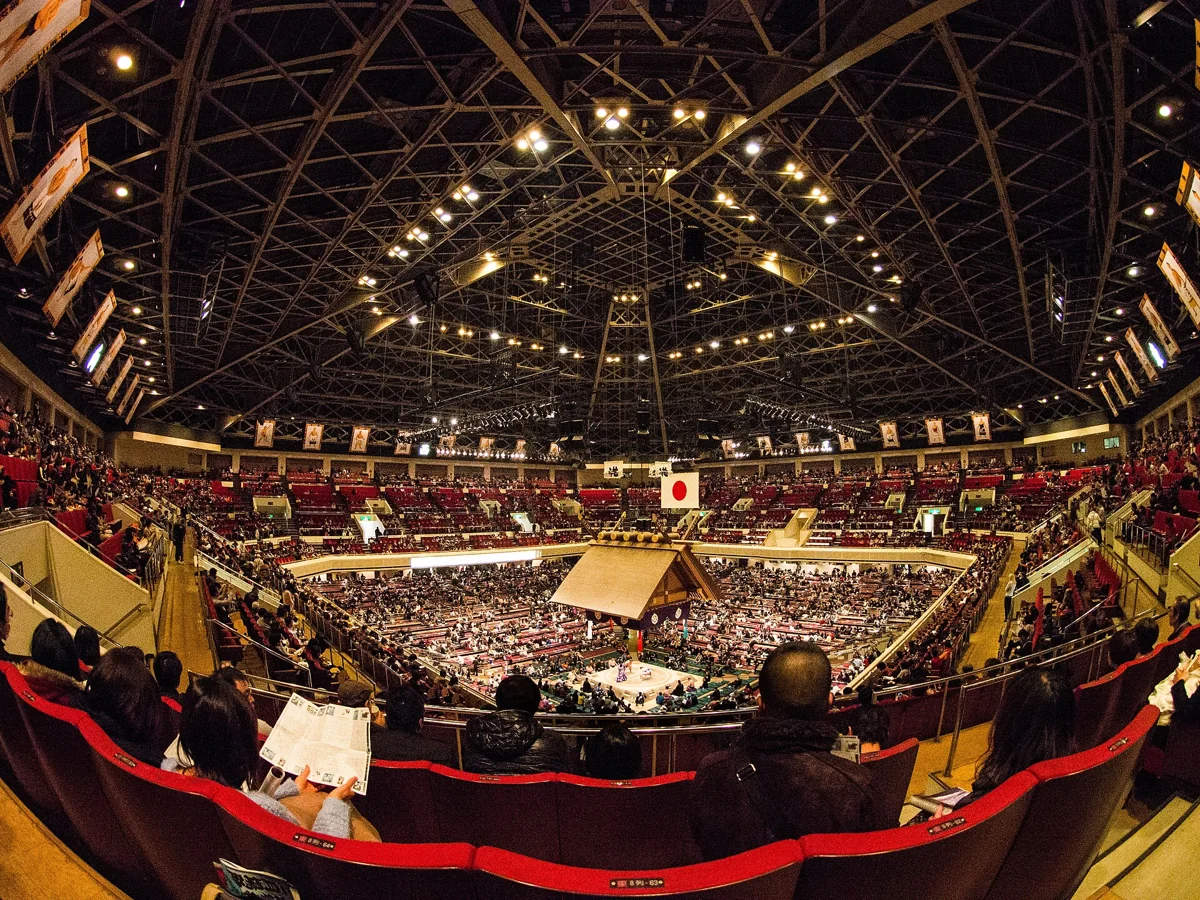
- If the January Tokyo itinerary includes sumo, note the 5 December advance-sale opening. The January tournament runs from 10–24 January 2027. Verify the desired day, seat type and sales route; the published tournament dates do not guarantee a seat. Japan Sumo Association
- For April’s Miyako Odori, connect the itinerary to the 6 January, 10:00 JST scheduled ticket release. Performances run from 1–30 April 2027. Identify the desired date and performance, then verify ticket types and booking conditions. Gion Kobu Kabukai
December 2026–May 2027 | Travel and booking dates
Base calendar checked on 4 November 2026, with additions on 5 November and targeted updates on 9 November. Record-level check dates are retained. Japanese event and ticket-sale times are JST; origin-market holidays use local calendar dates.
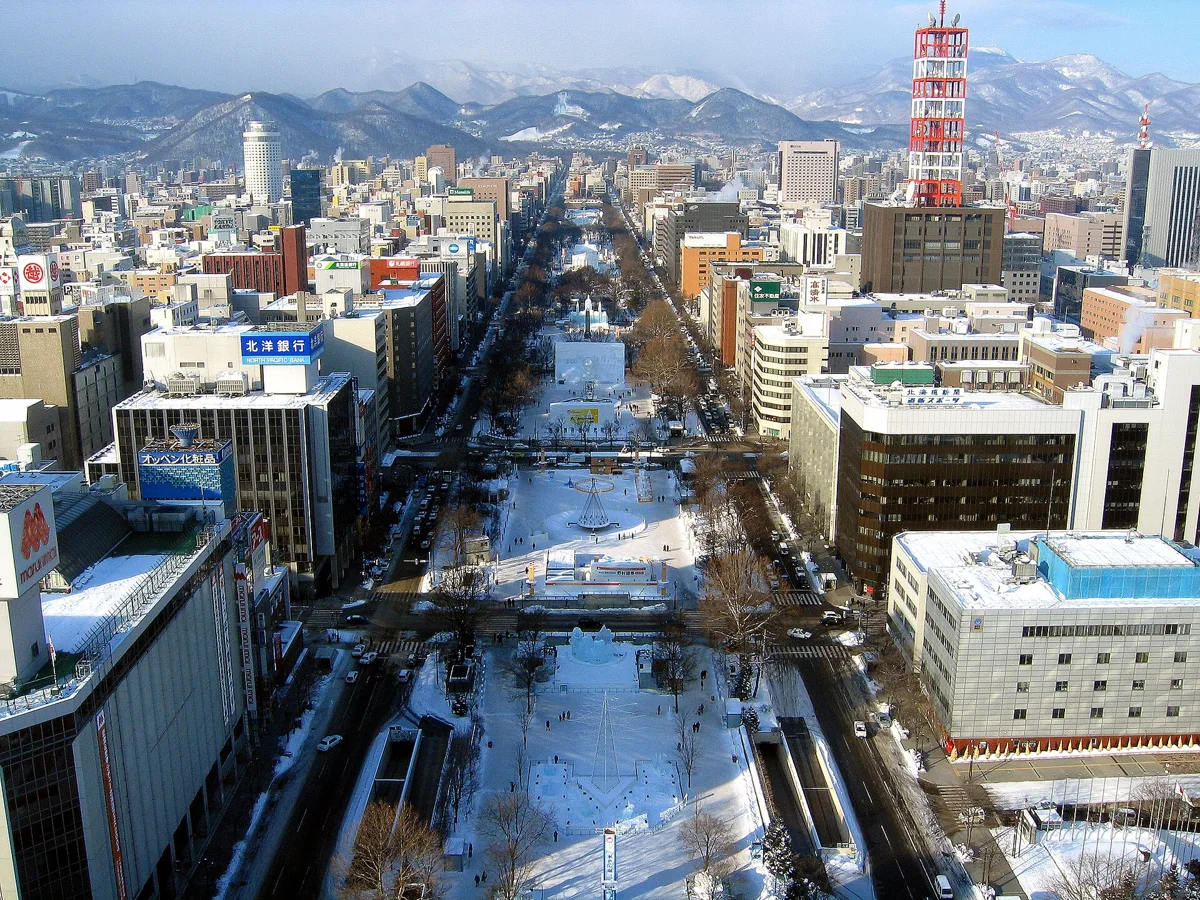
Air Canada's planned winter non-stop connects Vancouver International Airport (YVR) with New Chitose Airport (CTS) near Sapporo. Its published timetable has outbound AC55 on Mondays, Thursdays and Saturdays from 17 December 2026 to 25 March 2027, and return AC54 on Tuesdays, Fridays and Sundays from 18 December to 26 March. The outbound flight reaches Japan the next day; departure and arrival dates are separate. The carrier said seats were for sale when it announced the route on 21 January 2026, which does not mean that flights have begun or that any particular seat remains available. Published times may change. Air Canada announcement and timetable
| Travel month | A specific Japan option | Sale date or condition |
|---|---|---|
| Dec 2026 | Atami fireworks (25 Dec, planned); the new Hokkaido route | Fireworks dates may change. The first listed YVR–CTS departure is 17 Dec, arriving the next day. Atami and Hokkaido are separate regional options, not a proposed connecting itinerary. |
| Jan 2027 | Sapporo International Art Festival 2027 (opens 16 Jan) | Its main season ends 21 Feb; online advance sales for the Sapporo Citizens Gallery end 15 Jan. |
| Feb | Sapporo Snow Festival (4–11 Feb) | Venue dates differ from the separate snow-sports park. |
| Mar | GREEN×EXPO 2027 (opens 19 Mar) | The early-price one-day ticket ends 18 Mar and a visit-date reservation is required. Note the planned final dates for the YVR–CTS route. |
| Apr | Miyako Odori (1–30 Apr); Atami fireworks, planned 18 and 29 Apr | Miyako Odori ticket sales are scheduled for 6 Jan at 10:00. Atami is planned for 20:20–20:40. |
| May | Tokyo Grand Sumo Tournament (9–23 May); Atami fireworks, planned 23 May | Sumo advance sales are scheduled for 10 Apr. Atami is planned for 20:20–20:40; dates may change. |
The route and the winter events have different end dates
The direct New Chitose service is currently scheduled only through March. Do not carry it into an April or May itinerary without a new airline schedule. The Snow Festival runs 4–11 February, while the Sapporo International Art Festival's main season runs 16 January–21 February. The art festival has a specific advance-sale deadline for the Citizens Gallery; other venues have different access, prices and closing days. Air Canada timetable Snow Festival Art Festival tickets
Canada's school holidays also need a local label. The Toronto District School Board's 2026–27 calendar lists a winter break of 21 December–1 January and a 15–19 March mid-winter break for its schools. Neither period is a Canada-wide holiday or evidence of demand for Japan. Anyone considering a March trip should check the actual flight, connection and fare for the relevant dates.
An Expedia/Luth 2023 survey reported 69 days from online booking to departure among Canadian respondents. The survey covered all destinations, not Japan alone, and did not separate air from hotel bookings. Methodology Canada findings
The next issue will check actual YVR–CTS operations and changes, Sapporo venue conditions, and ticket information for spring events.
Keep Toronto and Vancouver school calendars separate
Vancouver School Board’s approved 2026–2027 calendar lists winter break on 21–31 December, with classes resuming on 4 January 2027. Spring break runs 15–25 March, with classes resuming on 30 March. Preserve the distinction between the named break and adjacent school closures. Neither the Vancouver nor Toronto calendar represents all Canadian schools. Published calendar
Booking GREEN×EXPO for a group itinerary
Early-bird one-day tickets went on sale on 19 March 2026, with sales ending on 18 March 2027. Admission date/time reservations and shuttle or parking bookings are separate. Coaches need advance bookings for the north or west parking areas; do not arrange roadside drop-off or pick-up around the venue. Direct buses from Haneda Airport and other hubs remain in planning. Treat them as unconfirmed transport until timetables, fares and booking methods are published. Organiser’s sales announcement Official tickets Access information
General groups require at least 15 visitors entering together, excluding the escort. The general-group discount ticket requires at least 15 users of that ticket type. The full-reservation deadline is 10 days before the day preceding the visit for general groups, or 30 days for school groups. Confirmation by linking ticket IDs must be completed four days before the visit. Website cancellation is unavailable after full-reservation approval; confirmed general-group bookings cannot be changed, cancelled or refunded. School groups have a limited exception for unavoidable reductions in pupil numbers. Check the headcount and each deadline with the authorised seller. Group-booking FAQ
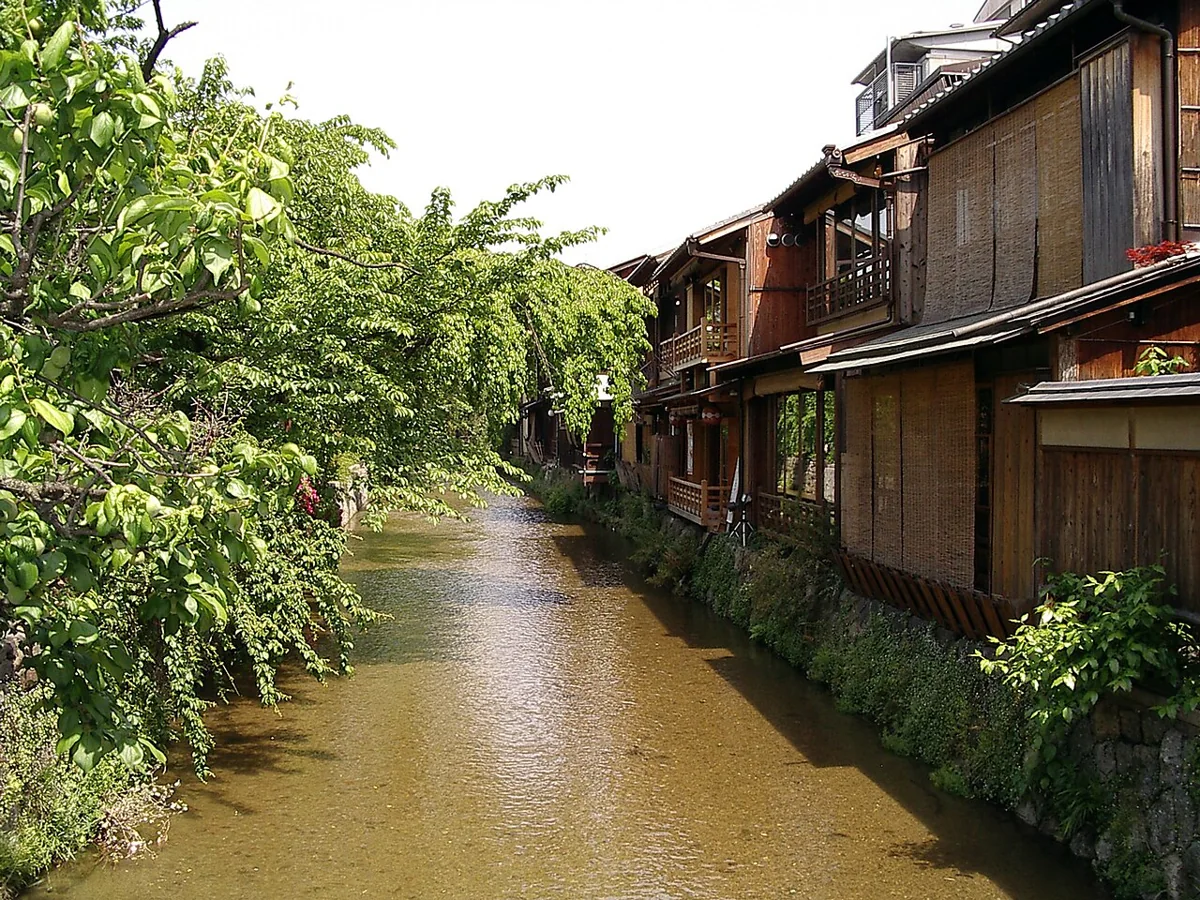
Kyoto experiences with specific dates and booking conditions
Fukujuen Kyoto’s tea-making experience and tea-inspired French lunch are listed for 3, 10 and 17 December 2026, and 7, 14, 21 and 28 January 2027, from 11:15 to around 14:00. Each session has six places, with a booking cut-off four days in advance. Booking is online only, with advance card payment; telephone reservations are not accepted. These are separate session dates, not a continuous season. Confirm dietary accommodation, the guiding language, interpreter accompaniment and remaining places with the provider. Kyoto’s official tourism site: Fukujuen
Daikakuji’s special Shoshinden visit and sutra-copying experience at Teikokan are listed for 20 and 27 February 2027, 10:00–12:00. Each session is limited to 24 participants and requires booking at least five days in advance. Choose this religious-cultural experience according to the participants’ interests and wishes, and confirm the guiding language, interpreter accompaniment and availability. These two listings do not verify the full cultural-property opening programme for the 61st Kyoto Winter Journey. Kyoto’s official tourism site: Daikakuji
Planning Takayama for 14–15 April
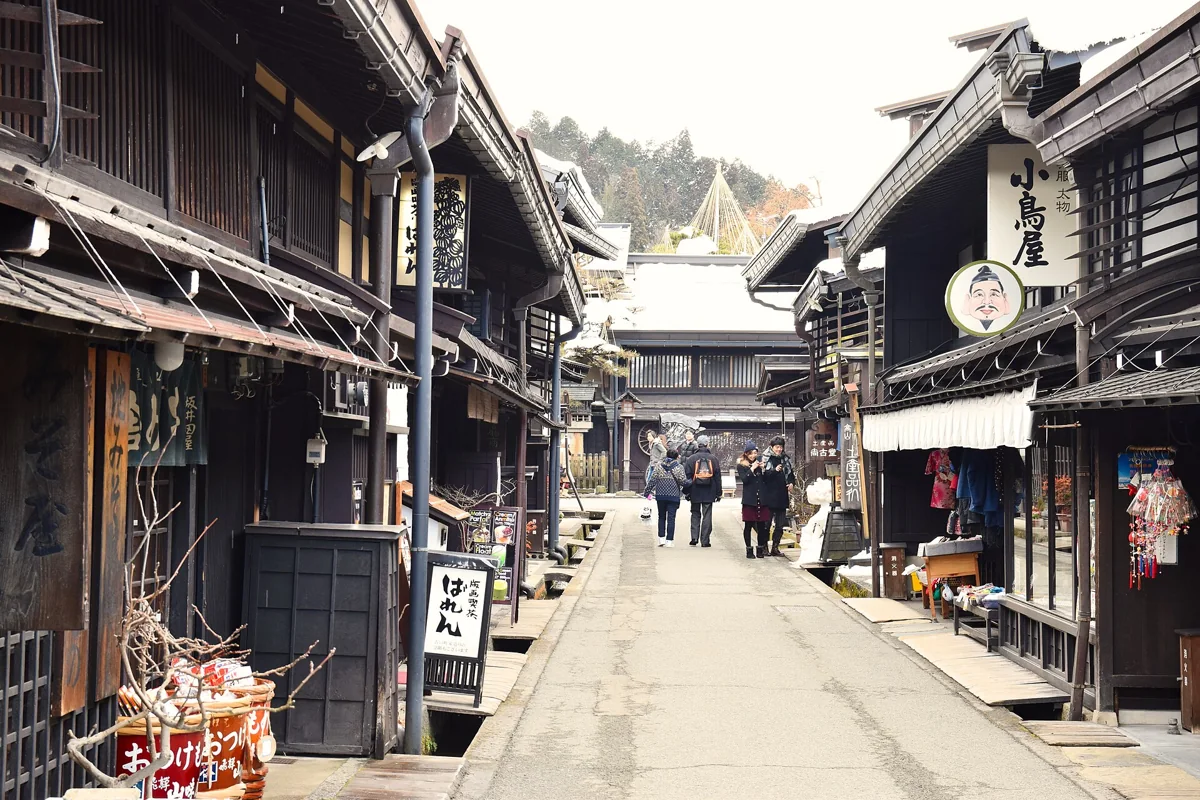
Gifu’s official tourism website lists the Spring Takayama Festival for 14–15 April 2027. The detailed timetable and transport information currently shown are for 2026, with 2027 details to follow. Use the listed dates for accommodation planning, and confirm the current-year event timetable, traffic controls and coach arrangements before finalising the itinerary. Gifu’s official tourism website
Market evidence | Arrivals, expenditure and reference periods
| Measure | Latest published figure at this cutoff |
|---|---|
| September 2026 visitor arrivals, Canada nationality, JNTO estimate | 49,300 (-11.4% versus September 2025) JNTO |
| January–September 2026 arrivals, JNTO estimate | 518,900 JNTO |
| July–September 2026 inbound travel expenditure, all purposes, including cruise visitors, JTA first preliminary | ¥42.9 billion (-7.0% year on year) JTA |
| July–September general visitors, excluding cruise, JTA first preliminary | 156,000 people (-1.7% year on year) JTA |
| July–September expenditure per general visitor, all purposes | ¥275,625 (-5.3% year on year) JTA |
The first estimate also separates all purposes from tourism and leisure among general visitors. This is a comparison of survey groups, not a suggested itinerary or a before-and-after change:
| July–September 2026 general visitors | Expenditure per person in Japan | Average nights |
|---|---|---|
| All purposes, including business and visiting people | ¥275,625 | 14.2 JTA |
| Tourism and leisure purpose | ¥299,335 | 12.2 JTA |
Both lines exclude cruise visitors; the expenditure measure excludes international airfares. The longer all-purpose average is not a standard holiday length. A market can contain extended family visits, business trips and shorter leisure trips in different proportions; the table alone cannot reveal the cause of the gap. JTA purpose-specific table
These are not five measures of the same trip. JNTO’s September arrivals include business, family visits and other nonleisure purposes; they count entries by nationality, not passengers departing from Canada, and an individual entering twice can be counted twice. The September 2026 numbers are estimates rounded to hundreds. JTA’s quarter covers three months; the per-person line is for general visitors and excludes cruise visitors. Multiplying September arrivals by quarterly per-person expenditure would create a false total. JNTO definitions JTA survey notes
Spending allocation and traveller profile
Statistics rechecked on 4 November 2026. The source is the Japan Tourism Agency (JTA) July–September 2026 first preliminary survey. This entry covers general visitors classified under the Canada nationality/region category, travelling for tourism and leisure; the survey-defined cruise category is excluded. It does not count departures from that country or region or November bookings. Spending is nominal JPY per person per trip and includes estimated domestic-Japan spending within package-tour payments. International passenger fares paid to Japanese airlines and shipping companies are excluded. JTA 2026 workbook
Compare spending and stays within the same trip-purpose group
Tourism/leisure spending was JPY 299,335, +8.9% year on year (the published JTA rate), with an average stay of 12.2 nights. The unweighted respondent counts were 115 in 2025 and 121 in 2026. Mean nights include same-day, zero-night visits. 2025 final workbook 2026 first-preliminary workbook JTA summary
For all trip purposes, including business and visiting relatives, the 2026 estimate was JPY 275,625, −5.3% year on year, and 14.2 nights on average. This is a different respondent group; its mean is not an individual leisure traveller’s budget. JTA summary
Six spending categories: the two comparable quarters
| Category | Jul–Sep 2025, final | Jul–Sep 2026, first preliminary | Change | 2026 share |
|---|---|---|---|---|
| Accommodation | JPY 114,397 | JPY 115,238 | JPY +841 | 38.5% |
| Food and drink | JPY 61,249 | JPY 63,730 | JPY +2,481 | 21.3% |
| Transport in Japan | JPY 34,054 | JPY 42,925 | JPY +8,872 | 14.3% |
| Entertainment and other services | JPY 20,205 | JPY 14,923 | JPY −5,281 | 5.0% |
| Shopping | JPY 44,975 | JPY 62,519 | JPY +17,544 | 20.9% |
| Other | JPY 0 | JPY 0 | JPY 0 | 0.0% |
The total year-on-year percentage is published by JTA. Category changes are editorial calculations from the two workbooks, not a published category-growth series; 2026 shares are published workbook values. Changes were calculated before rounding, so subtracting the two displayed yen amounts can differ from the displayed change by about one yen. Rounded rows may also differ from the rounded total by a few yen. These nominal comparisons do not isolate inflation, exchange rates, stay length or traveller composition. 2025 workbook 2026 workbook
Selected purchases, with their respondent counts
| Purchase category | Weighted purchase rate | Unweighted purchasers | Mean spend among purchasers |
|---|---|---|---|
| Theme park | 27.5% | 34 (fewer than 100; small sample) | JPY 18,702 * |
| Art and other museums, zoos, botanical gardens and aquariums | 59.0% | 71 (fewer than 100; small sample) | JPY 5,331 * |
| Confectionery | 57.5% | 70 (fewer than 100; small sample) | JPY 7,473 * |
| Clothing | 68.5% | 82 (fewer than 100; small sample) | JPY 18,297 * |
The purchase rate is a weighted share. The purchaser count is unweighted; dividing it by the market sample does not reproduce the rate. The conditional mean is spending among purchasers, not the price of one product or willingness to pay. These purchase measures concern spending during the Japan visit and differ from the package-inclusive six-category figures above. Mean purchaser spending is withheld below 30 purchasers; * marks 30–99 purchasers. This is an editorial caution, not an official significance test. JTA Reference Table 5
Traveller composition
| 2026 Q3 tourism/leisure category | Weighted share | Unweighted respondents |
|---|---|---|
| First visit to Japan | 67.1% | 82 |
| Second or later visit | 32.9% | 39 |
| Travelling with family/relatives | 40.2% | 48 |
| Individually arranged travel | 90.9% | 109 |
| Applied online for a tour product or international return ticket | 88.8% | 106 |
These are separate questions; do not multiply the rates into an unreported joint group. The website-application item in questionnaire E3 concerns tour products or international return air/sea tickets, not all hotel and activity bookings. “Individually arranged” does not mean every component was booked directly by the traveller. JTA Reference Table 4 Questionnaire E3
Planning implication (editorial proposal): A decline in all-purpose spending does not by itself imply weaker leisure demand; the leisure comparison differs. Discuss total nights, transfer burden, consecutive stays and time for activities. The cultural/nature-facility purchase category combines several facility types, so ask which individual places the traveller wants to visit.
Timing: July–September 2025 is final; the same quarter in 2026 is first preliminary and subject to revision. Any 2024 regional analysis above is historical context, not evidence of Q3 2026 or November behaviour. Statistics rechecked on 4 November 2026.
Foreign guest-nights in August 2026: top five prefectures
Second preliminary release, published 30 October. Classification is by nationality/origin, covering establishments with 20 or more rooms. The national total for this market is 211,960 guest-nights.
| Prefecture (Japanese name in parentheses) | Guest-nights | Share of this market’s national total |
|---|---|---|
| Tokyo (東京都) | 104,950 | 49.5% |
| Osaka (大阪府) | 28,980 | 13.7% |
| Kyoto (京都府) | 26,030 | 12.3% |
| Chiba (千葉県) | 9,190 | 4.3% |
| Hokkaido (北海道) | 8,890 | 4.2% |
Shares use the same market, month and facility scope and are rounded to one decimal. * marks an estimated standard error rate of at least 30%. Guest-nights are not unique people, rooms, November bookings or available inventory. Rounding can prevent prefecture sums from matching the national total. The stratification basis changed in January 2026. JTA source, Reference Table 1 (August) · Release
Interests and individual requirements
JNTO’s strategy presents nature, traditional culture and everyday-life experiences in regions that can be connected to a city for first-time Canadian couples and families in their 20s–40s. For a different segment of repeat visitors in their 20s–40s, it identifies local food and nature alongside historic accommodation and anime, noting differences between travellers in their 20s–30s and adults in their 40s travelling with children. JNTO segment strategy Ask first-time visitors about transfers and journey time, repeat visitors about places already seen and desired new stays or activities, and families about ages and school breaks. Ask each person about local dishes and ingredients they cannot eat; confirm menu changes and meal times with the ryokan before booking. Japan Tourism Agency ryokan Q&A When suggesting a region to a first-time visitor, make the connection from the city and on-site time clear. For repeat visitors, select places with them after asking what they have already seen. If they want historic accommodation, check the room, meal and access conditions with the property.
Shopping from November | The payment and refund sequence
Eligible tax-free sales moved to the refund method for purchases made from 1 November 2026. An eligible purchaser pays the tax-inclusive price at an authorised tax-free shop, obtains customs confirmation on departure within 90 days counted from the day after purchase, and then receives the consumption-tax equivalent from the retailer or its refund provider. The purchase date determines the changeover, not the date of entry. The usual threshold is at least JPY 5,000 excluding tax in eligible purchases by the same person at the same shop on the same day, subject to the applicable rules. Nationality alone does not establish purchaser eligibility. National Tax Agency, rules as at 1 November 2026
Goods consumed during the trip and goods carried out of Japan need careful handling. Customs checks operate at purchase-record level, normally corresponding to one sale or receipt. If any eligible item in that record is missing at the check, the other items in the same record cannot receive confirmation either. The shop can explain how the purchases are recorded. National Tax Agency, refund-method explanation
Complete the process before checking in the goods as baggage. For a domestic-to-international connection, customs confirmation takes place at the final airport of departure from Japan. Check baggage collection and re-checking arrangements with the airline and allow for a possible inspection. The official guidance does not allow checked baggage to be retrieved simply to complete the tax-free process. Japan Tourism Agency, traveller guidance
At Narita, Haneda, Kansai, Chubu, Fukuoka, New Chitose and Naha, the Visit Japan Web online procedure is available within designated international-departure lobby areas connected to the dedicated wireless network. This online route is limited to people with Temporary Visitor, Diplomat or Official status of residence; Japanese nationals cannot use it. Tax-free purchasing eligibility and eligibility for this online route are different conditions. A request for inspection still requires attendance at customs, and completion of the customs procedure does not mean the refund has arrived. Japan Tourism Agency, eligibility and location National Tax Agency, online-procedure FAQ
Refund methods, timing and contact details depend on the shop or refund provider. Budget for the tax-inclusive payment separately from the expected refund. July–September spending predates the new system and cannot demonstrate its effect on shopping. National Tax Agency, sales and refund procedure
If a purchase record is wrong or missing. Contact the shop about incorrect details. A missing record may still be awaiting transmission by the shop; allow some time or ask the shop to check. National Tax Agency FAQ Q3-3/Q3-4 As a practical recommendation, travel companies can retain the shop and refund provider's contact details in the traveller's documents.
What the next edition will update
The December edition will move the travel window to January–June 2027. It will recheck the overlapping January–May dates, sales conditions and holiday eligibility, add June, and identify the reference period and release stage of any new statistics. Newly verified dates, changed conditions and closed applications will be distinguished in the update record.
Release availability checked on 9 November. October arrival estimates are scheduled for 18 November at 16:15 JST, and the second preliminary July–September inbound-spending release for 24 December. Check the actual released tables, including whether a separate market category is present, before updating. Planned release dates are not already-published results. JNTO schedule JTA schedule
September first-preliminary accommodation totals are already available, but this report’s nationality-by-prefecture comparison uses August second-preliminary figures for establishments with at least 20 guest rooms. September second-preliminary results are scheduled for 30 November. JTA / 観光庁・宿泊統計 公表予定 / Release schedule